Energy
The North Sea is turning into a grid, not a set of wind farms
The North Sea is turning into a grid, not a set of wind farms

One cable to shore no longer works
A single farm with a single export cable made sense when there were only a handful of them. Now there are dozens, each landing its own cable at its own point on the coast, and the onshore grid cannot absorb them fast enough. Connections that used to take months now wait years.
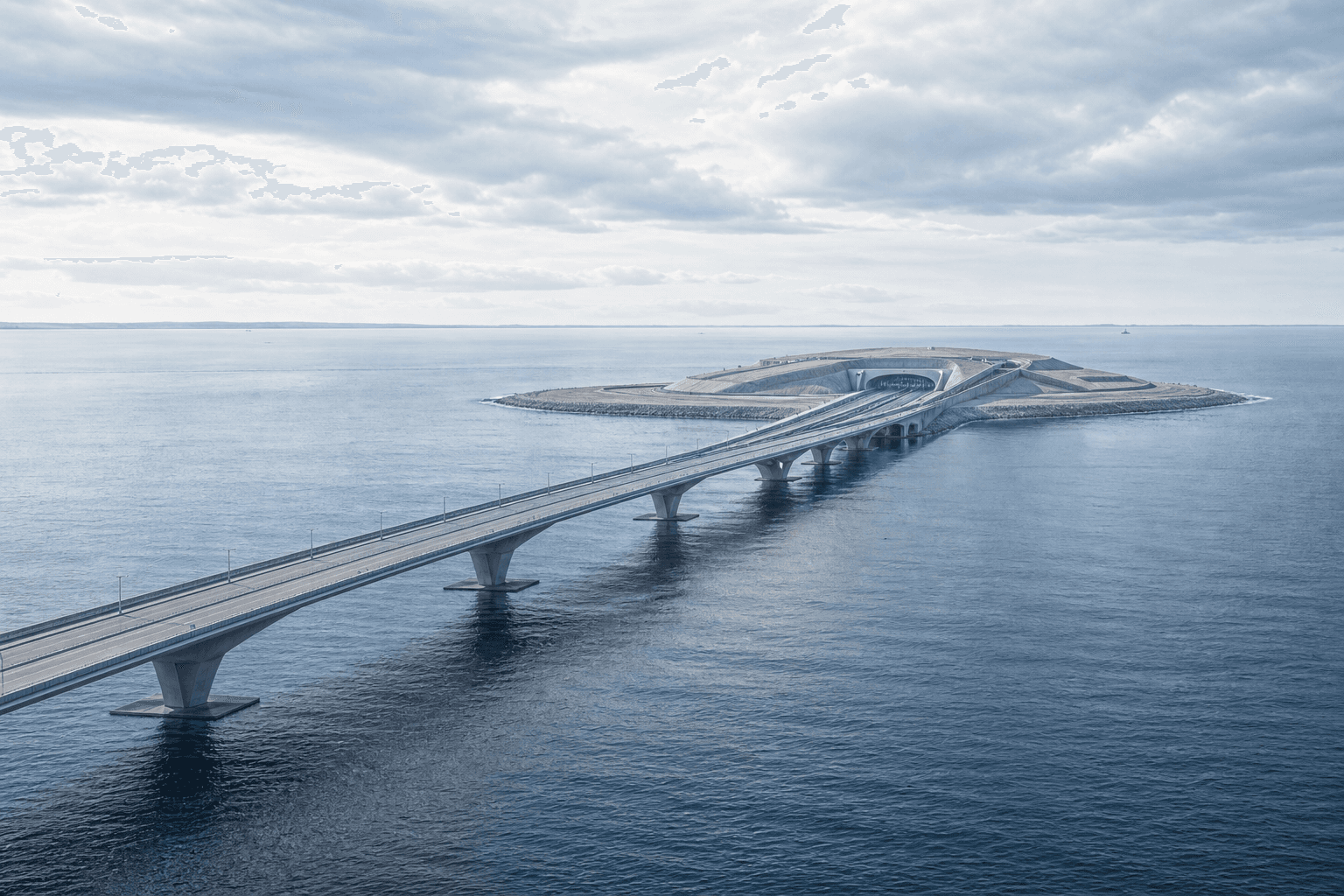
The newer plans do not repeat that mistake. They combine generation with interconnection, and they cluster conversion and storage on shared energy islands instead of scattering it. Once that backbone exists, the next project plugs into it cheaply. The first ones to build it set the rules everyone else follows.

The scarce thing is coordination, not capacity
Europe has no shortage of turbine orders. What it lacks is a shared plan for where the power lands and how it is balanced. Every country still draws its own corridor to its own beach, and the result is congestion on one side of the sea while the other side waits for reserve.
Treating generation, hydrogen, storage and the grid as one operating system is the whole point of Atlantis Energy. Not a queue of standalone assets, but a network with an owner who is accountable for keeping it balanced.

Where this goes next
The tenders that bundle transmission with generation are the ones to read closely. They will fix the template that later projects inherit, including the physical corridor Atlantis Infrastructure would build the rest of the city on. Congestion pricing on both coasts will tell you how urgent that coordination has become.